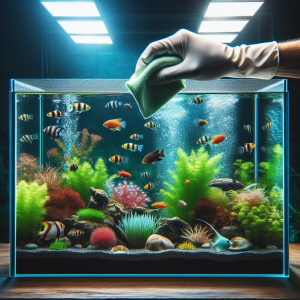
Keeping your tank clean doesn’t have to be a chore. Regular maintenance is key to a healthy aquarium and happy fish. Start with a routine. Try to check your tank once a week to see what needs attention.
Gravel cleaning is a must. Use a gravel vacuum to suck up uneaten food and waste that settles at the bottom. It’s super easy and helps keep the water clear. Don’t forget to change about 10-15% of the water weekly. Fresh water makes a huge difference in maintaining a healthy environment.
Cleaning your filters is just as important. Check them every few weeks to see if they need a rinse or a change. A clean filter keeps the water circulating and removes harmful toxins. Plus, it ensures your fish stay happy and stress-free.
Lastly, don’t overlook the glass! Algae can build up and block your view of your aquatic buddies. A simple algae scraper works wonders. Just a quick wipe every now and then keeps the tank looking fresh and inviting.
Choose the Right Filter for Clarity
Keeping your aquarium clean and healthy starts with choosing the right filter. A good filter not only helps keep your water clear but also creates a healthy environment for the fish. There are three main types of filters to consider: mechanical, biological, and chemical. Each one plays a unique role in maintaining water quality.
Mechanical Filters
Mechanical filters catch larger particles like uneaten food, fish waste, and debris. They’re like the sponge of your aquarium—trapping all the gunk that can cloud your water. If your tank tends to get dirty easily, a quality mechanical filter could make your life a lot easier. Just remember, you’ll need to clean or replace the filter media regularly to keep it working its best.
Biological Filters
Biological filters support beneficial bacteria that break down harmful ammonia and nitrites. These guys are crucial for keeping your fish healthy. When setting up your aquarium, you want to ensure that your biological filter has enough space for these helpful bacteria to thrive. Look for options that provide ample surface area for them to live and multiply.
Chemical Filters
Chemical filters use media like activated carbon to remove toxins and impurities from the water. If you're dealing with specific issues like odors or discoloration, a chemical filter can be a game changer. Just keep in mind that you’ll need to replace the media periodically for it to be effective.
Choosing the right filter or a combination of filters depends on your aquarium's size, the type of fish you keep, and how much maintenance you want to do. Understanding these options will help you make the best choice for a clean and clear aquarium that your fish will love!
Maintain the Right Water Levels
Keeping the right water levels in your aquarium is super important for the health of your fish and plants. If the water is too low, your fish won’t have enough room to swim, and too much evaporation can lead to dangerous spikes in water temperature. Plus, a proper water level makes it easier for your filtration system to do its job.
Check your water level regularly, especially if you have a tank with a lot of water movement. You might need to top it off every week or so. Just use dechlorinated water to refill your tank. This way, you keep the balance without introducing any harmful chemicals that can make your fish sick.
Also, pay attention to the water level after doing a water change. Even if you’ve added back the right amount, sometimes things can shift, and you might notice the level is still off. It's a good idea to keep a little extra dechlorinated water on hand for quick adjustments.
If you find you’re filling your tank more than usual, look for leaks or evaporation sources. It could be time to check your equipment, like filters or heaters, which can sometimes cause water loss. Keeping everything in good shape helps you maintain that perfect water level.
Feed Fish Properly for Health
Feeding your fish the right way is key to keeping them healthy and happy. Fish have different needs depending on their species, age, and size. Picking the right food can make a big difference. Good nutrition helps maintain vibrant colors and lively behavior.
Start by using high-quality fish flakes or pellets. These usually have a balanced mix of proteins, fats, and vitamins. If you have herbivorous fish, consider adding algae wafers or spirulina-based foods. Meaty eaters will love frozen or freeze-dried options like brine shrimp or bloodworms. Don't forget about live food, too—fish love the thrill of chasing after something that swims!
Make sure you don’t overfeed. It’s easy to go a little too crazy at feeding time, but leftover food can mess with your water quality. Aim for small amounts that fish can eat in a few minutes. If food is still floating around after that, you’ve given too much. You can always adjust the portions next time!
Try to feed your fish at the same times each day. This builds a routine that your fish will respond to. They will come to the surface eagerly, and you’ll enjoy watching them! Mix up the types of food occasionally to keep their diet interesting and nutritious.