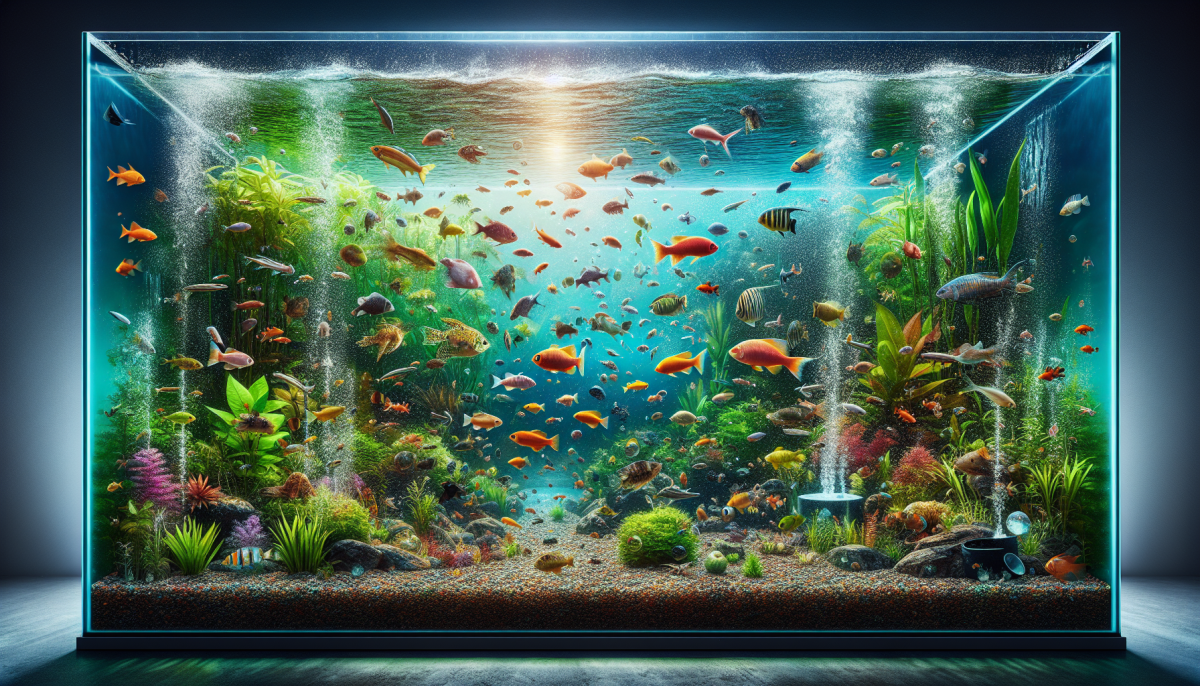
When it comes to keeping your aquarium thriving, understanding water quality is key. Fish and plants depend on a stable environment, and that starts with the basics: temperature, pH, ammonia, nitrite, and nitrate levels.
First off, temperature is super important. Most fish have a specific temperature range they prefer, and keeping a consistent temperature helps reduce stress and keep them healthy. Think about investing in a reliable heater and thermometer to monitor this.
Next is pH. Fish thrive in certain pH levels, which can range from acidic to alkaline. Testing kits are affordable and simple to use. If your water is out of whack, there are products available to easily adjust it. Keeping the pH stable helps your fish feel right at home!
Then there are ammonia, nitrite, and nitrate levels. These are all part of the nitrogen cycle in your aquarium. High ammonia and nitrite levels can be harmful or even deadly to your fish, while nitrates are less toxic. Regular water changes and a good filtration system can help keep these levels in check.
Take the time to regularly test your water and make adjustments as needed. Understanding these basics can make all the difference in creating a happy, thriving aquarium!
Key Factors to Keep in Mind
1. pH Levels: Fish thrive in specific pH levels. Most freshwater fish prefer a pH around 6.5 to 7.5. Make sure to check these levels regularly to avoid stress on your aquatic friends.
2. Ammonia and Nitrite: These are the bad guys in your tank. Ammonia and nitrite should always be at 0 ppm (parts per million). Both are toxic and can cause serious harm to your fish. Regular testing helps you keep these levels in check.
3. Nitrate Concerns: While a little nitrate is okay, too much can lead to health issues. Aim to keep nitrate levels below 40 ppm. Regular water changes and a good filtration system can help manage this.
4. Temperature: Different fish species like different temperatures. Keeping the water at the right temp is crucial. A standard range is often between 72°F and 78°F for tropical fish. Use a reliable aquarium heater to stay on track.
By keeping an eye on these factors, you can create a thriving environment where your fish can flourish. Happy fishkeeping!
Signs of Poor Water Quality
Keeping an aquarium is a rewarding hobby, but water quality can make or break your underwater world. If the water isn't in good shape, your fish can get stressed and sick. Here are some clear signs that your water quality might be slipping.
First up, check your fish. If they’re swimming erratically or hanging near the surface, that’s a big red flag. You might also notice their colors fading or even signs of illness like spots or lesions. These are all hints that something’s off with their water.
Next, keep an eye on your aquatic plants. Healthy plants should look vibrant and lush. If they start to wilt, turn yellow, or develop brown spots, it could mean your water isn’t providing the nutrients they need. This can lead to a cascade of issues in your tank.
Don't forget about algae growth! While a little green can be normal, an explosion of algae is a sure sign that your water quality is out of whack. This often happens when there are too many nutrients in the water, usually from overfeeding or poor filtration.
Lastly, trust your nose. If your tank smells funky, that’s not just a nuisance—it’s a signal that something’s brewing in your aquarium. A fresh, clean tank should have a mild scent, not a weird or rotten odor. Regular testing and monitoring can help catch problems before they get out of hand.
Tips for Maintaining Clean Water
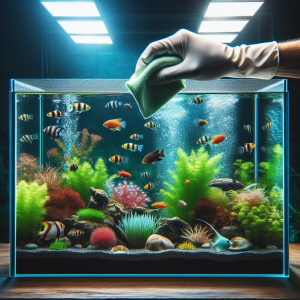
Keeping your aquarium water clean is key to a happy and healthy fish life. Here are some practical tips to help you maintain that crystal-clear water:
By following these simple steps, you'll create a thriving environment for your fish. Clean water doesn't just look good; it's vital for keeping your aquatic friends safe and happy.