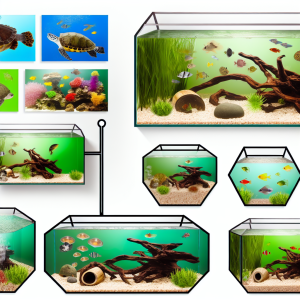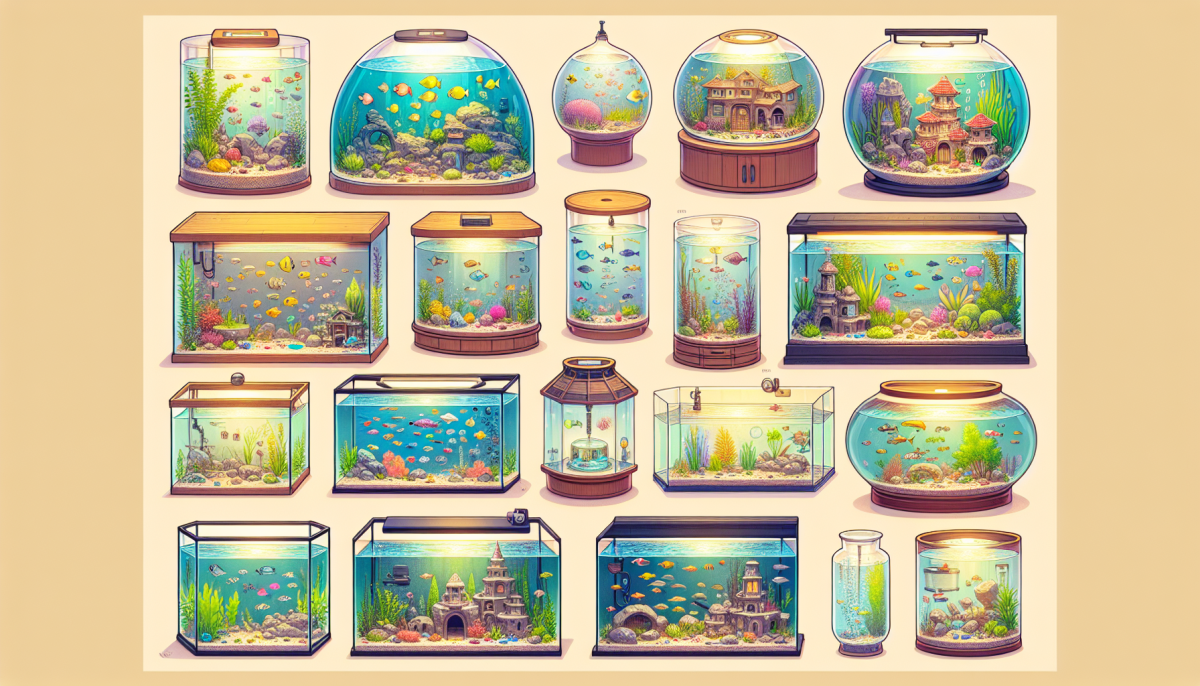
When it comes to setting up your aquarium, size really matters! The right aquarium size depends on the type of fish you want to keep and how much space you have available. A small tank may seem cute, but overcrowding can lead to stressed fish and water quality issues. Let's break down some options.
If you’re an absolute beginner, a 20-gallon tank is a sweet spot. It’s not too big to handle and gives you some wiggle room to stock a few fish. You can add a couple of guppies or tetras, and you still have room for colorful plants and decorations, which your fish will love.
If you’re feeling adventurous and want to dive into more species, consider a 50-gallon tank. This size offers a lot of flexibility. You can set up a community tank with fish from different regions or even dedicate it to one species, like cichlids. Just make sure you do your homework on the fish you choose!
For those of you who dream big, going over 100 gallons can create a stunning underwater paradise. Larger tanks not only give you a beautiful view but also help maintain stable water conditions. Just be prepared for some serious equipment needs, like bigger filters and heaters!
Think about where you’ll place your tank, too. Size and weight can sneak up on you, especially when the tank is filled. Make sure you have a sturdy stand and check the floor beneath it. Choose a tank that fits your lifestyle and goes well with your home. Happy fishkeeping!
Essential Equipment You Need
Setting up your aquarium can be a blast, but it’s important to gather the right gear. Here’s a rundown of the essential equipment you'll need to create a thriving underwater world.
First up, the tank itself! Choose a size that fits your space and lifestyle. A bigger tank is often more stable and easier to maintain. Once you’ve picked your tank, don’t forget a sturdy stand to support it. You don’t want any accidents!
Next on the list is a filter. A good filter keeps the water clean and helps maintain a healthy environment for your fish. Look for filters that match your tank size. You’ll also want to invest in a heater if you're going for tropical fish. Keeping the temperature steady is key to their health!
Lighting plays a huge role too! It not only brightens up your tank but also helps plants grow. LED lights are popular because they’re energy-efficient and long-lasting. Consider timers to help regulate the light schedule easily.
Lastly, grab some substrate, decorations, and water conditioner. A nice substrate will help plants thrive and give your fish a comfy place to hang out. Decorations add personality to your tank but make sure they’re safe for your fish. Water conditioner is a must to neutralize any harmful chemicals. With these essentials, you'll be well on your way to creating an amazing aquarium!
Setting Up Your Tank Successfully
Setting up your aquarium can feel like a big task, but it’s super rewarding once you see your fish swim happily in their new home. First things first, choose the right tank size for your space. A 20-gallon tank is a great starter size. It's not too big to handle, yet spacious enough for a few fish to roam around.
After you’ve got your tank sorted, it’s time to think about filtration. A good filter keeps the water clean and safe for your fish. Look for a filter that’s rated for your tank size. Canister filters or hang-on-back filters are popular choices that work well for beginners and seasoned aquarists alike.
Next up is substrate. This is just the material you put at the bottom of the tank. Gravel, sand, or even larger rocks can work, depending on what type of fish you plan to keep. Just make sure to rinse it well before adding it to your tank to avoid clouding up the water.
Don’t forget about plants and decorations! Adding live plants not only looks great but can also improve water quality and give your fish places to hide. Choose decorations that are safe for fish – steer clear of anything sharp that could harm them.
Finally, before adding fish, make sure to cycle your tank. This may take a few weeks but is crucial for establishing good bacteria that keep your water healthy. Test the water regularly and introduce your fish slowly for the best chance of success.
Caring for Your Fish and Plants
First off, always check the water quality. Fish are sensitive to changes in their environment. Test the water for pH, ammonia, nitrites, and nitrates regularly. Keeping these levels stable helps your fish stay happy and healthy. Use a good water conditioner when adding tap water to remove harmful chemicals.
Next, make sure your fish get the right food. Don’t just throw in random flakes. Different fish need different types of food. Research what’s best for your specific species. Overfeeding can lead to water issues, so stick to the recommended amounts.
Now, let’s talk about plants! Live plants not only look great but also help keep the water clean. Be sure to provide enough light for your plants to grow. Should you notice any dying leaves, prune them away to keep your tank looking tidy.
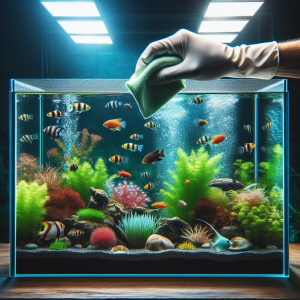
Finally, don’t forget about regular tank maintenance. Changing 10-15% of the water weekly helps maintain water quality. Clean the tank walls and decorations too, but remember not to overdo it. Too much cleaning can disrupt your fish's comfort. Just keep a close eye on things, and your aquarium will thrive!